
SEO
Ranking is not the goal. Customers are.
Traffic that never calls is a vanity metric. The work here is aimed at the searches that turn into business — and at fixing whatever is quietly stopping you from showing up for them.
Ask about SEOWhere the work goes
Technical first, always
No point publishing onto a site search engines struggle to crawl. The first pass is diagnostic: what is indexed, what is slow, what is duplicated, what competes with itself.
Intent over volume
Keyword research mapped to what people actually type when they are ready to buy. A local search with intent beats a national term with traffic.
Reporting you can read
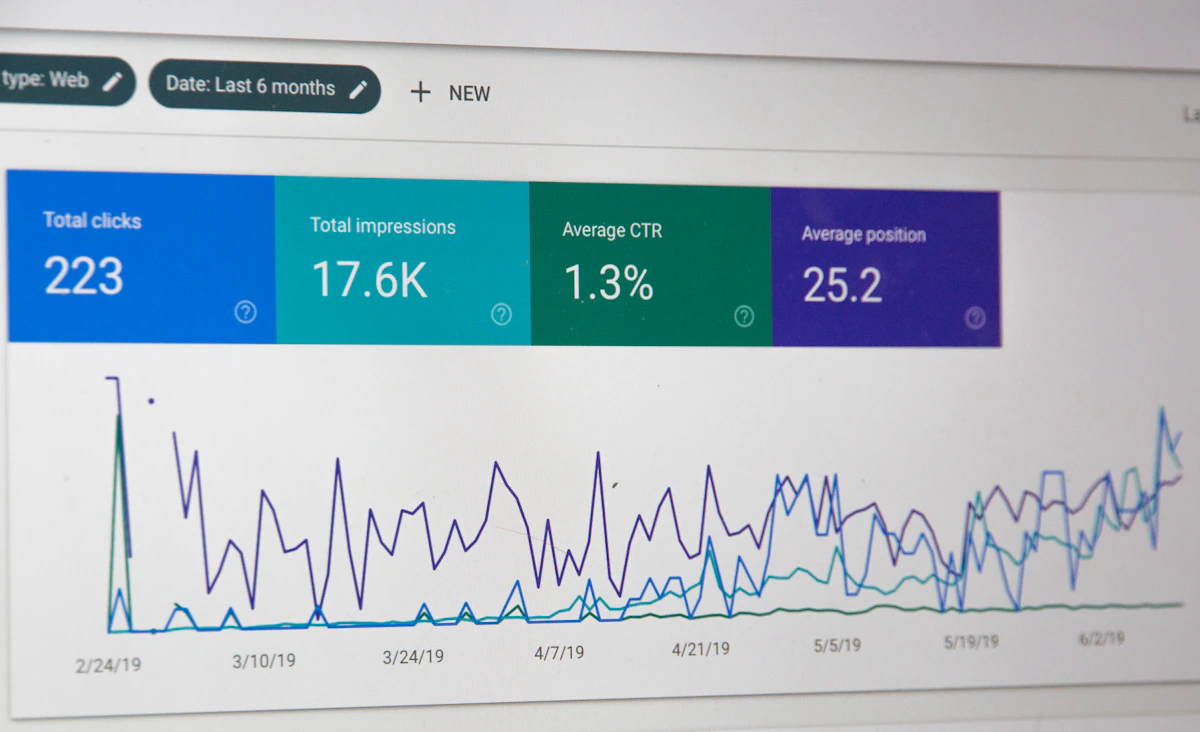
Which queries you gained, which pages earned them, and what changed in calls and form fills. Not forty pages of charts nobody opens.
Diagnose
Find what is holding the site back
Crawlability, indexing, speed, duplicate pages competing with each other. The technical pass usually moves rankings before a single new page is written.

Publish
Content that answers a real question
Pages built around what people actually type when they are ready to buy, not around a keyword density target.
On-page, off-page, and the part underneath
People tend to hear “SEO” and picture keywords. Keywords are one third of it. Skip either of the other two and the work stalls no matter how much content you publish.
Technical
Whether search engines can crawl the site, what they have actually indexed, how fast pages load, and whether two of your pages are quietly competing for the same term. This gets fixed first because everything else sits on it.
On-page
Titles and meta descriptions, heading structure, internal linking, image handling, and structured data. The controllable part — and usually where the fastest gains are hiding on an established site.
Off-page
The signals you do not fully control: who links to you, how your business is represented elsewhere, and whether those listings agree with each other. Slower, and the part where shortcuts get sites penalised.
Local and national are different jobs
If customers come from a service area, the work centres on your Google Business Profile, consistent listings, service-area pages that are genuinely distinct from one another, and reviews. Competing nationally is a different exercise entirely — more content, more authority, and a longer horizon before anything moves.
Being clear about which one you are actually doing is the first decision, because chasing both at once usually means doing neither well.
Content is what you are actually ranking
Search engines rank pages, not websites. A page earns its position by answering the thing someone typed better than the alternatives — which means writing for the question, not sprinkling a phrase through a paragraph until it hits a density target.
That is also what holds up as search shifts toward AI-generated answers: pages that genuinely answer something get cited, and thin pages built for a keyword do not.
Where social actually fits
Social posts are not a direct ranking factor, and anyone selling them as one is overselling. What social does do is put work in front of people who then search for you by name, and give content somewhere to live beyond the day it was published. Treated as distribution and brand recall, it earns its place; treated as an SEO tactic, it disappoints.
Frequently asked questions
Straight answers, including the ones people avoid.
Want to know why you are not ranking?
An audit will tell you, before you spend anything on content.
Start the conversation